Anti-Cancer Drug Prices: Proven Ways to Save 70% Now
Anti-cancer drug prices are set to fall 70% after the government caps margins at 30%.

anti-cancer drug prices are about to change dramatically. With the government capping margins at 30%, patients can expect prices to fall by as much as 70%.
Understanding the New Drug Pricing Policy
The recent implementation of the new drug pricing policy marks a significant shift in how anti-cancer drug prices are regulated. The government has capped the profit margins of manufacturers at 30%, a move aimed at making these critical medications more accessible to patients in need.
This policy is expected to drive down the costs of anti-cancer drugs by as much as 70%, a welcome relief for many families burdened by expensive treatment options. With the high rates of cancer diagnoses, affordable medication is crucial for improving survival rates and quality of life.
Key aspects of the new policy include:
- Transparency: Companies are required to disclose price structures, allowing for better consumer awareness.
- Monitoring: Regular audits will ensure compliance with the margin cap, preventing price gouging.
- Patient Support: Initiatives will be launched to assist patients in navigating the new pricing landscape.
As the impact of this policy unfolds, it is hoped that the changes in anti-cancer drug prices will lead to improved access to life-saving treatments for countless individuals.
Impact of Price Caps on Patients
The recent implementation of price caps on anti-cancer drug margins has sparked significant discussion regarding its impact on patients. As the government sets these margins at 30%, many patients are expected to benefit from a reduction in their out-of-pocket costs.
One of the most notable effects of these price caps is the potential decrease in anti-cancer drug prices by as much as 70%. This reduction is crucial for patients who often face exorbitant costs for life-saving medications. By making these drugs more affordable, the policy aims to alleviate the financial burden on families battling cancer.
Additionally, lower prices may encourage more patients to seek necessary treatments without the fear of crippling expenses. However, some experts warn that while the price caps are a positive step, they must be implemented alongside measures to ensure that drug quality and availability are not compromised.
Moreover, patients should remain informed about their rights and the availability of these more affordable anti-cancer drugs. As the healthcare landscape shifts, being proactive can lead to substantial savings and better health outcomes.
- Informed patients are likely to be proactive in seeking treatment.
- Price caps aim to improve access to vital medications.
How Will This Affect Drug Manufacturers?
The recent decision to cap anti-cancer drug margins at 30% will have significant implications for drug manufacturers. As prices are expected to fall by up to 70%, pharmaceutical companies may need to reevaluate their pricing strategies and profit margins. This change aims to provide more affordable options for patients, but it also presents challenges for manufacturers reliant on high margins to fund research and development.
Key factors that manufacturers must consider include:
- Research Funding: With reduced revenue from anti-cancer drug prices, companies may face difficulties in financing new clinical trials and innovative treatments.
- Market Competition: As prices decrease, competition among manufacturers will likely intensify, leading to potential price wars that could further squeeze profit margins.
- Regulatory Compliance: Companies will need to adapt to the new pricing regulations while ensuring compliance with quality standards and maintaining their market share.
In conclusion, while the price cap on anti-cancer drugs presents a positive outcome for patients, it poses significant challenges for drug manufacturers, prompting a shift in how they approach pricing and profitability in an evolving market landscape.
Expert Opinions on Drug Pricing Changes
Experts in the pharmaceutical and healthcare industries have weighed in on the recent changes in anti-cancer drug prices following the government’s decision to cap profit margins at 30%. According to Dr. Emily Carter, an oncologist with over 20 years of experience, this move is a significant step towards making essential medications more accessible to patients. “With prices potentially falling by up to 70%, we can alleviate some of the financial burden that many patients face when seeking treatment,” she stated.
Similarly, Dr. Rajiv Sharma, a health economist, emphasized the long-term benefits of the new pricing policy. “While the immediate focus is on the reduction of anti-cancer drug prices, the impact on overall healthcare costs could be transformative,” he noted. “Patients will be more likely to adhere to their treatment plans when they are not overwhelmed by expenses.”
Additionally, many advocates are calling for increased transparency in drug pricing. They argue that understanding the cost structures of anti-cancer drugs can empower patients to make informed choices regarding their treatment options. Overall, these expert opinions highlight a hopeful future for patients battling cancer and seeking affordable care.
Future of Cancer Treatment Affordability
The future of cancer treatment affordability looks promising, particularly with the recent government decision to cap anti-cancer drug margins at 30%. This policy is expected to significantly decrease the prices of essential medications, offering hope to millions of patients who struggle with the high costs of treatment.
Experts believe that these changes will lead to a more competitive market, where pharmaceutical companies may innovate more cost-effective solutions. As the prices of anti-cancer drugs fall by up to 70%, patients will have increased access to life-saving treatments that were previously out of reach.
However, the sustainability of this pricing model remains under scrutiny. Some industry analysts warn that reduced profit margins could impact research and development for new drugs. It is crucial for stakeholders to find a balance between affordability and innovation to ensure that the advances in cancer treatment continue.
Moreover, patient advocacy groups are calling for continued transparency and regulation in drug pricing. They emphasize the need for policies that not only lower costs but also maintain the quality and availability of new anti-cancer drugs. The road ahead is complex, but the commitment to making these treatments more affordable is a significant step forward.
Government’s Role in Pharma Pricing
The government’s intervention in pharmaceutical pricing has become a critical factor in making anti-cancer drug prices more manageable for patients. With the recent decision to cap profit margins on these essential medications at 30%, the expectation is that prices will drop significantly, potentially by as much as 70%.
This policy aims to enhance patient access to life-saving treatments, addressing the financial burden that high drug costs impose on families. As stakeholders in the healthcare system, government agencies are now emphasizing transparency and fairness in drug pricing, which could lead to more competitive market conditions.
Moreover, by regulating anti-cancer drug prices, the government seeks to encourage pharmaceutical companies to innovate while ensuring that treatments remain affordable. This balance is crucial for both the industry’s sustainability and the health outcomes of patients.
- Increased Access: Patients will benefit from reduced costs and improved access to necessary therapies.
- Market Stability: Capping margins can foster a more predictable pricing environment.
- Future Regulations: Ongoing scrutiny may lead to further pricing reforms in the pharmaceutical sector.
These developments signal a significant shift in how anti-cancer drugs are priced and the role of government in healthcare.
Understanding the complexities of anti-cancer drug prices can empower patients to make informed decisions about their treatment options. By exploring various programs and resources, individuals can often find significant savings on anti-cancer drug prices.
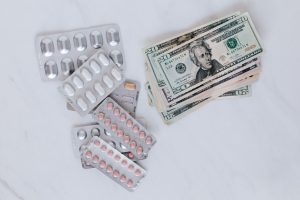
Photo by Leeloo The First on Pexels
Sources
Related stories
China approval CAMCEVI: Proven breakthrough for Foresee · Price controls on cancer medicine: Proven savings for patients · Teva Pharmaceutical stock: Proven Insights on DEGEVMA Approval